
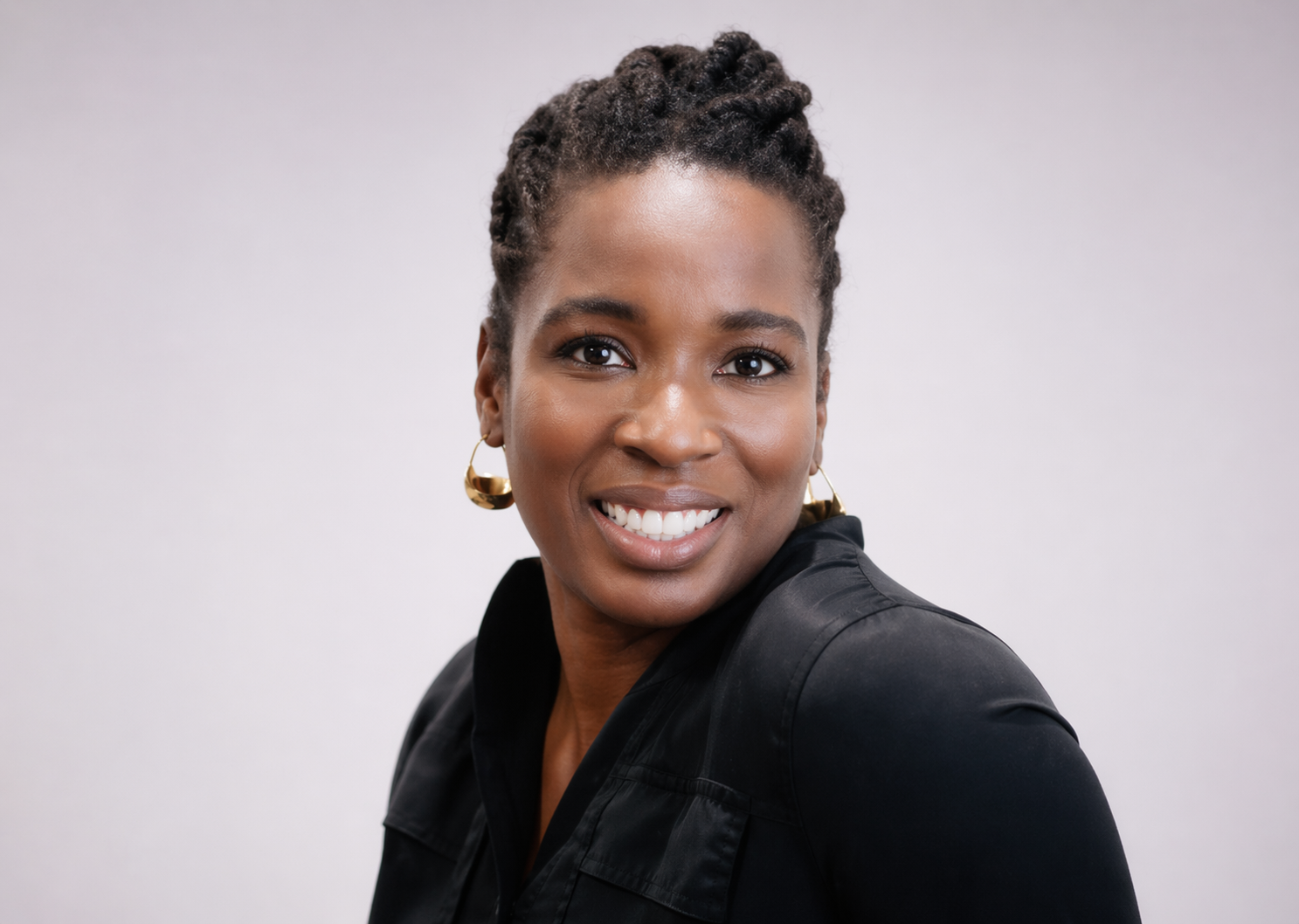
When people talk about healthcare innovation, the conversation often drifts toward shiny apps, new platforms, or big promises about the future. But Toyin Ajayi took a different path with Cityblock Health. Instead of chasing attention, she focused on a part of the system that had been overlooked for far too long.
For years, Medicaid members and people with complex health and social needs were treated like an afterthought in the broader healthcare conversation. Care was often fragmented, rushed, and difficult to navigate. Many patients were expected to manage chronic conditions, mental health challenges, housing instability, food insecurity, and transportation problems while moving through a system that rarely felt built for them.
Toyin Ajayi saw those gaps clearly. As a physician and healthcare leader, she understood that the problem was not just about access to doctors. It was also about trust, continuity, dignity, and the everyday realities that shape health long before someone enters a clinic. That perspective helped shape Cityblock Health into one of the most talked-about names in Medicaid innovation.
What made Cityblock Health different was not just its growth. It was the way the company approached care for underserved communities. Under Ajayi’s leadership, Cityblock built a model centered on whole-person care, community-based support, integrated services, and long-term relationships. In a healthcare industry that often rewards scale before substance, that approach gave Cityblock Health a more meaningful identity.
Who Is Toyin Ajayi and Why Her Work Matters
Toyin Ajayi is not the kind of founder whose story fits neatly into a typical startup template. She came into this work as a physician, which matters because her perspective was shaped by what she saw patients deal with in real life. She understood that low-income populations, Medicaid beneficiaries, and dual-eligible members often face barriers that go far beyond a diagnosis.
That lived exposure to the health system’s blind spots helped define her leadership style. She did not build Cityblock Health around the idea of simply adding more healthcare technology to an old problem. She helped build it around a more grounded question: what would care look like if it were actually designed for people the system usually leaves behind?
That question gave Cityblock a stronger sense of purpose from the start. It also made Ajayi’s voice more credible in conversations about health equity, primary care transformation, population health, and value-based care. She was not speaking from the outside. She was building from direct experience.
The Healthcare Gap Cityblock Health Was Built to Address
To understand why Toyin Ajayi and Cityblock Health gained so much attention, it helps to look at the space they entered.
Medicaid has always been one of the hardest areas in healthcare to serve well. The population is broad, needs are often complex, and the system itself can be difficult to navigate. Many members face chronic illness, behavioral health concerns, unstable housing, food insecurity, transportation issues, and other social determinants of health that traditional care models do not address well.
Too often, these patients are labeled difficult when the real issue is that the system was never designed around their lives.
That is where Cityblock Health found its opportunity. The company focused on people with complex needs and built a care delivery model that recognized health as more than prescriptions and appointments. Instead of expecting members to fit into a rigid system, Cityblock aimed to build support around them.
That meant seeing the bigger picture. If someone misses a visit, the problem may not be motivation. It may be childcare, work schedules, transportation, anxiety, or a housing issue that feels more urgent than anything else that day. Ajayi understood that real healthcare access begins with understanding those realities rather than ignoring them.
How Cityblock Health Introduced a Different Model of Care
One reason Cityblock Health stood out so quickly was that it did not market itself as just another digital health company. Its model blended primary care, behavioral health, social care, and care coordination in a way that felt more connected to what patients actually need.
That whole-person approach became central to the company’s identity.
Cityblock Health built interdisciplinary care teams that could include doctors, nurses, behavioral health specialists, social workers, pharmacists, and community health partners. That structure matters because patients with complex medical and social needs rarely benefit from isolated support. They need coordinated services that account for both clinical and non-clinical factors.
The company also leaned into community-based care and relationship-based care. That gave Cityblock a stronger human dimension than many healthcare startups. Its message was not simply that care should be efficient. It was that care should be respectful, trust-based, and built around the realities of people’s lives.
That difference may sound subtle, but it changed how the brand was perceived. Cityblock Health started to stand for a more personal and more compassionate version of healthcare delivery. In a space where many companies talk about disruption, Cityblock talked about people.
Why Medicaid Innovation Became Cityblock Health’s Biggest Strength
Plenty of healthcare founders prefer to build for easier markets first. Medicaid is not easy. It comes with regulatory complexity, operational challenges, and patient needs that are often layered and urgent. But that is exactly why Cityblock Health gained attention there.
Toyin Ajayi did not avoid the harder problem. She built around it.
That decision gave Cityblock a clearer mission and a stronger point of difference. Medicaid innovation is not just about lowering costs or digitizing old processes. It is about building a care model that works for people who have historically received less coordinated, less consistent, and less humane care.
Cityblock Health approached that challenge with a practical lens. It focused on improving the care experience, reducing fragmentation, supporting preventive care, expanding behavioral health access, and addressing social needs alongside medical needs. Those priorities made the company relevant not only to members, but also to health plans and partners looking for better ways to support high-risk populations.
This is where Ajayi’s leadership became especially important. She helped frame Medicaid not as a niche category, but as one of the most important places to prove what modern care can look like. That reframing helped Cityblock Health stand out in both healthcare and startup circles.
The Leadership Decisions That Helped Toyin Ajayi Stand Out
Founders often get attention for big fundraising rounds or bold messaging. Toyin Ajayi stood out for something more durable. She built credibility around the idea that mission and execution could move together.
One of her strongest leadership decisions was keeping Cityblock’s identity tied to the people it serves. That sounds obvious, but it becomes harder as companies grow. Many healthcare businesses start with patient-centered language and drift into operational language once scale becomes the main focus. Cityblock Health worked hard to keep dignity, trust, and member experience close to the center of its brand.
Ajayi also brought a mix of clinical insight and business discipline. That gave Cityblock a different kind of leadership profile. She could speak about health outcomes, underserved patients, and care integration with credibility, while also guiding a company that needed to grow, form partnerships, and prove that its model could scale.
That balance mattered. It helped Cityblock avoid sounding like either a charity project or a purely financial play. Instead, the company came across as a serious healthcare organization solving a serious system problem.
Cityblock Health’s Growth and Recognition
As Cityblock Health expanded, Toyin Ajayi’s profile grew with it. The company became one of the more recognizable names in value-based care for Medicaid and dually eligible populations, and Ajayi increasingly became part of the national conversation around healthcare transformation.
Recognition followed for good reason. Her leadership helped turn Cityblock into a company associated with health equity, integrated care, and better support for marginalized populations. That kind of recognition matters because it signals that the work is resonating beyond company walls.
But public recognition alone is never enough. What gave Cityblock Health staying power was that its message lined up with a real care model. The company’s expansion, partnerships, and growing visibility were backed by a clear sense of what it was trying to fix in the healthcare system.
That is part of why Cityblock did not feel like a temporary trend. It felt like a company built around a real structural problem in American healthcare.
What Made Cityblock Health Different From Traditional Healthcare Companies
Traditional healthcare systems often ask patients to do the hard work of coordination on their own. They move between providers, explain the same story multiple times, and try to manage gaps that no one person seems responsible for solving.
Cityblock Health offered a different experience.
Its model was designed around coordinated care, member support, and the idea that healthcare should be easier to navigate, not harder. Instead of focusing only on treatment after problems worsen, Cityblock placed more emphasis on preventive support, continuity, behavioral health, social services, and direct relationships.
That made the company stand out in a meaningful way. It was not simply promising better software. It was rethinking the care experience itself.
For Medicaid members and underserved patients, that distinction matters. A more connected care model can help reduce the sense that healthcare is something distant, judgmental, or impossible to manage. Ajayi understood that trust is not a branding extra in this space. It is part of the product.
How Cityblock Health Turned Mission Into Market Relevance
Many companies talk about social impact. Fewer know how to turn that mission into sustained relevance.
Cityblock Health did that by focusing on a real and urgent need. The company built around underserved communities, but it did not stop at messaging. It created a care model that matched the complexity of the population it wanted to serve.
That gave the company a stronger market position. Health plans, partners, and industry observers could see that Cityblock was not trying to be everything to everyone. It had a clear focus on complex care, low-income populations, community health, and integrated services.
This focus helped Cityblock Health become associated with Medicaid innovation in a very specific way. It represented the idea that better outcomes do not come only from more appointments or more data. They come from care that is coordinated, personalized, respectful, and realistic about how people live.
That is one of the biggest reasons Toyin Ajayi’s success story stands out. She helped prove that building for vulnerable communities is not a side conversation in healthcare innovation. It is one of the most important tests of whether innovation means anything at all.
Challenges Behind Building a Medicaid Focused Company
None of this was easy.
Building a company around Medicaid and complex care means operating in one of the toughest corners of healthcare. The work is complicated, regulation is constant, and the needs of members do not fit simple workflows. Scaling personalized care while protecting quality is a serious challenge for any organization.
There is also the broader reality that healthcare systems are slow to change. Even when a better model exists, adoption takes time, partnerships take work, and results have to be proven over and over again.
That makes Cityblock Health’s rise more impressive. Under Ajayi’s leadership, the company did not choose the easiest category or the fastest narrative. It chose a difficult, high-stakes problem and built patiently around it.
That is often where the strongest achievement stories come from. Not from choosing the safest path, but from solving a problem that others have learned to accept.
What Other Founders and Healthcare Leaders Can Learn From Toyin Ajayi
There is a reason Toyin Ajayi’s work gets attention beyond healthcare circles. Her story offers lessons that apply to leadership more broadly.
The first is that real differentiation usually comes from solving an important problem better, not from sounding more innovative than everyone else. Cityblock Health stood out because it was built for patients traditional healthcare often misses.
The second is that trust matters more than many leaders think. In healthcare, especially for marginalized populations, trust shapes engagement, outcomes, and long-term relationships. Ajayi treated trust-based care as something operational, not just inspirational.
The third is that mission becomes more powerful when it is tied to execution. Cityblock Health did not gain relevance simply because its purpose sounded good. It gained relevance because its care model, partnerships, and positioning all reflected that purpose.
And finally, Ajayi’s story is a reminder that some of the most meaningful innovation happens in spaces that look messy, difficult, and underfunded. Medicaid was not the easiest place to build. That is exactly why success there carries so much weight.
The Lasting Impact of Toyin Ajayi and Cityblock Health
Toyin Ajayi helped Cityblock Health become more than a healthcare startup with a strong mission. She helped make it a recognizable example of what modern Medicaid innovation can look like when care is built around people instead of systems.
That impact reaches beyond one company. It has influenced how people think about integrated care, health equity, member-centered care, community health, and the future of value-based healthcare. It has also pushed the conversation forward on what underserved communities should be able to expect from the healthcare system.
Cityblock Health’s rise says something important about where healthcare is headed. The companies that matter most may not be the ones with the loudest promises. They may be the ones that learn how to combine clinical care, behavioral health, social support, and trust into something people can actually use.
That is what made Toyin Ajayi stand out. And that is what made Cityblock Health a standout name in Medicaid innovation.