
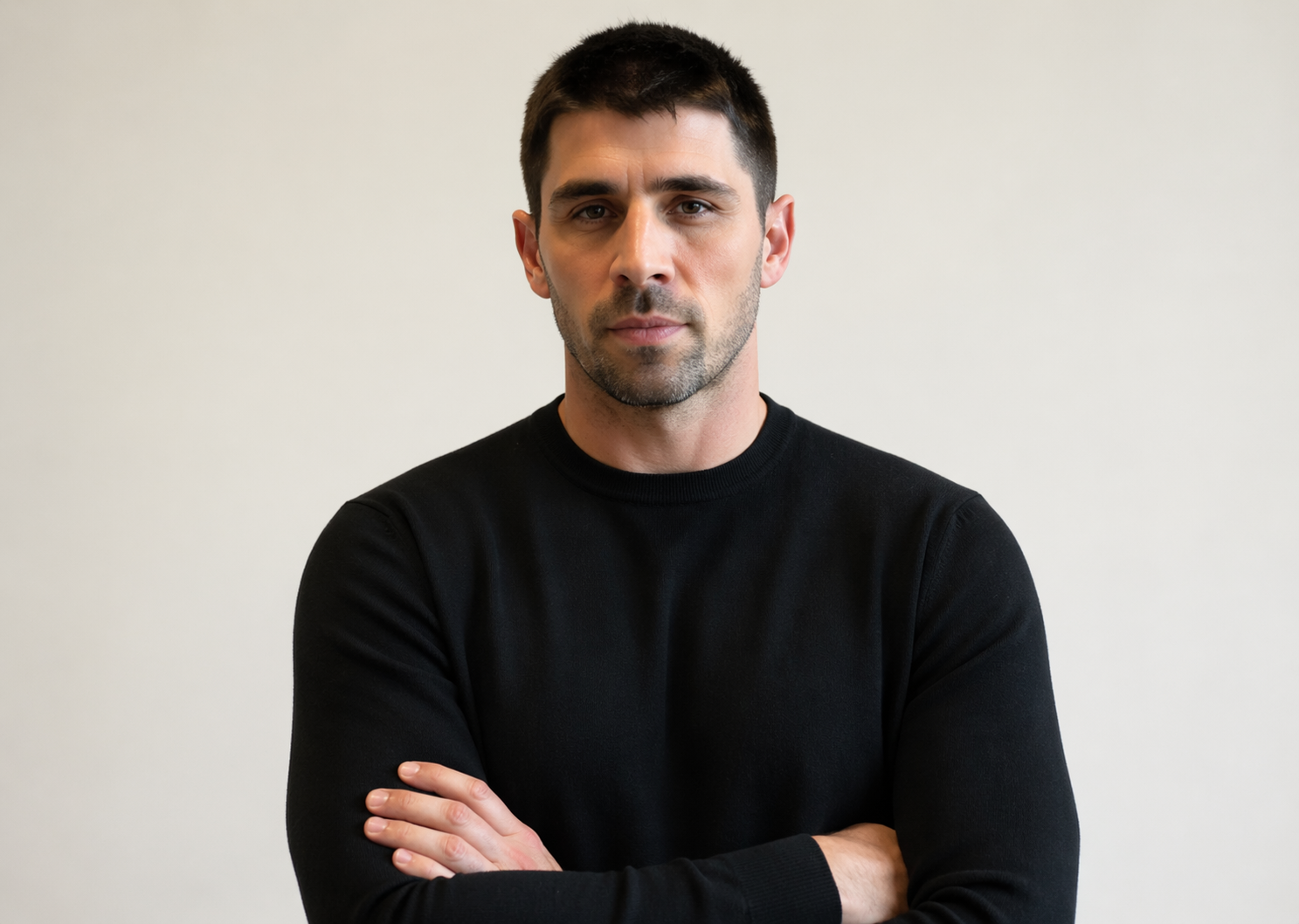
Auto insurance is one of those industries most people do not think about until they need it. That is part of the problem Kyle Nakatsuji understood early. For years, car insurance had a reputation for being complicated, slow, and frustrating. Customers often dealt with clunky systems, confusing coverage details, and a claims process that felt anything but simple. Nakatsuji saw that gap clearly, and instead of accepting it as normal, he built Clearcover around the idea that auto insurance could feel faster, easier, and far more modern.
That vision helped turn Clearcover into one of the better-known names in the insurtech space. Rather than trying to win attention with big promises alone, Nakatsuji focused on practical improvements that ordinary drivers could actually feel. He leaned into technology, streamlined operations, digital claims, and a more customer-friendly experience. In a legacy industry where change usually happens slowly, that approach gave Clearcover a real point of difference.
Who Is Kyle Nakatsuji
Kyle Nakatsuji is the co-founder, president, and CEO of Clearcover. Before starting the company, he built experience across law, strategy, finance, and venture investing. One of the most important parts of his early career was his role as a founding member of American Family Ventures, the venture capital arm tied to American Family Insurance. That experience gave him a close look at how insurance businesses worked, where they struggled, and where technology could make a meaningful difference.
That background mattered. Nakatsuji was not entering insurance as an outsider guessing where the weak points were. He had already spent time around the sector, studying startups, evaluating models, and seeing how legacy insurers operated. That gave him a sharper view of the opportunity. He understood both the difficulty of building in a regulated market and the size of the problem worth solving.
The Problem Kyle Nakatsuji Saw in Traditional Auto Insurance
Traditional auto insurance often felt built for the company first and the customer second. Prices were shaped by large operating structures, claims could be slow, and many parts of the experience still felt dated in an era where consumers were already used to app-based banking, shopping, and travel.
Nakatsuji saw that insurance had room for a very different model. If a company could use technology to reduce waste, simplify processes, and remove friction, it could build something more attractive for modern drivers. The point was not just to look digital on the surface. The real idea was to use technology deeply enough that the business itself became leaner and more responsive.
That insight sat at the center of Clearcover’s growth story. The company was built around the belief that a better operating model could eventually lead to a better customer experience, and that customer experience could become a competitive advantage in a category where most brands sounded the same.
How Clearcover Was Founded
Clearcover was founded in 2016 by Kyle Nakatsuji and Derek Brigham. From the beginning, the goal was not to build another traditional insurer with a few digital features added later. The goal was to build a digital-first auto insurance company from the ground up.
That distinction matters because it shaped the company’s decisions early on. Clearcover was designed around a cleaner technology stack, more efficient operations, and a simpler customer journey. It launched its insurance product in 2018, and from there the business started building momentum by offering a version of car insurance that felt more in step with how people already lived and managed other financial products.
For Nakatsuji, the opportunity was not only about entering insurance with a startup mindset. It was about choosing a very specific problem inside insurance and solving it in a practical way. Auto insurance was large, highly competitive, and not easy to crack, but that also meant even modest improvements could matter at scale.
What Made Clearcover Different From Traditional Insurers
One of the clearest parts of Clearcover’s success story is that it did not try to be everything to everyone. The company focused on building a smarter, more efficient auto insurance experience for digital consumers.
That meant Clearcover paid close attention to speed, simplicity, and usability. The customer journey had to feel easier from quote to policy management to claims. Instead of forcing customers through unnecessarily complicated interactions, the company tried to make core insurance tasks feel straightforward.
Another important difference was the operating model behind the scenes. Clearcover was built with the belief that technology could lower operating costs over time. That matters in insurance because bloated operations eventually affect everything from responsiveness to pricing. By creating a more efficient system, Clearcover positioned itself as a company trying to offer a cleaner and more affordable experience, not just a flashier brand.
How Kyle Nakatsuji Used Technology to Build a Modern Insurance Brand
Technology was never just a marketing layer for Clearcover. It was central to how Nakatsuji wanted the business to function. He believed technology should improve the economics of the company while also making life easier for the customer.
That approach showed up in several ways. Clearcover pushed a digital-first experience that let customers manage important parts of their policy through the app. It also built a claims process designed to move more quickly than what many drivers were used to seeing from older insurers.
This is where the company’s modern identity became more than branding. A modern insurance company is not just one that has an app. It is one that uses software, automation, and product design to reduce friction at the moments customers care about most. Nakatsuji understood that if the experience felt smoother in real life, the brand would earn credibility naturally.
That same thinking helped Clearcover stand out in the broader insurtech conversation. Plenty of startups talk about disruption. Fewer show how that disruption actually improves the day-to-day customer experience. Clearcover’s message worked best when it stayed connected to practical value: faster claims, easier policy management, and less hassle overall.
The Role of Fast Claims in Clearcover’s Growth
Claims are where insurance brands either build trust or lose it. A company can spend heavily on marketing, but the real test comes when a customer has an accident and needs help quickly. Nakatsuji seemed to understand that this part of the experience could not be treated as a secondary feature.
Clearcover put major emphasis on digital claims, and that became one of the company’s most recognizable strengths. The app-based claims process was designed to let customers submit information, upload photos, and track progress more easily. That matters because speed and transparency are often what people want most after an accident.
In practical terms, a faster claims system also gives a newer insurer a better chance to compete with established giants. Large incumbents have brand familiarity, scale, and history on their side. A younger company needs a sharper operational edge. By focusing on claim speed and convenience, Clearcover created one of the clearest reasons for customers to take it seriously.
How Clearcover Grew as an Insurtech Company
Growth in insurance does not happen by accident. It takes capital, product discipline, regulatory navigation, and operational follow-through. Under Nakatsuji’s leadership, Clearcover drew major investor backing and grew into a notable insurtech brand.
The company raised significant funding over time, which gave it room to expand its products, invest in technology, build partnerships, and scale its customer reach. That kind of support also signaled something important to the market. Investors were not simply backing a catchy insurance startup. They were backing a model built around long-term efficiency and customer-centric execution.
Clearcover’s expansion into additional states and its growing distribution relationships also helped push the company forward. As the business scaled, the challenge was no longer just proving the idea. It became about showing that the model could hold up as operations became more complex. That is where leadership matters, and Nakatsuji’s role in shaping both strategy and execution became even more important.
Kyle Nakatsuji’s Leadership Style and Long-Term Vision
A big part of Nakatsuji’s success with Clearcover comes down to focus. He did not build the company around vague startup language or broad promises about changing everything overnight. Instead, the business was shaped around a narrower and more durable idea: use technology and efficient operations to create a better insurance experience.
That kind of leadership tends to matter more in industries like insurance, where trust, compliance, and long-term execution are more important than hype. Nakatsuji’s background in venture investing also likely gave him a broader strategic lens. He had seen what investors looked for, what insurance incumbents struggled with, and what it takes for a startup to survive beyond its early momentum.
There is also a practical side to his leadership story. Building a company in insurance means dealing with regulation, capital demands, pricing discipline, claims performance, and customer expectations all at once. It is a hard business to fake. Clearcover’s rise suggests that Nakatsuji was not only good at identifying the opportunity, but also at building an organization capable of carrying that idea into the market.
Key Challenges Kyle Nakatsuji Had to Navigate
No modern insurance success story is smooth from start to finish. Nakatsuji had to build Clearcover in one of the most heavily regulated and competitive categories in financial services. That alone made the path difficult.
He was also trying to convince customers to trust a newer brand with something as important as their car insurance. Many people stay with familiar insurers simply because they know the name. Winning those customers requires more than lower prices or polished design. It requires credibility, consistency, and a service experience strong enough to change habits.
Then there is the challenge of scale. It is one thing to launch with a smart product vision. It is another to maintain service quality while growing the business, expanding distribution, and entering more markets. Startups often struggle when early momentum gives way to operational complexity. Part of Clearcover’s achievement is that it kept pushing its technology-led identity while working through the real demands of scaling an insurance company.
What Clearcover’s Success Says About the Future of Auto Insurance
Clearcover’s growth under Kyle Nakatsuji says a lot about where auto insurance is heading. Customers increasingly expect the same ease from insurance that they get from other digital products. They want quicker answers, simpler interfaces, more transparency, and less wasted time.
That does not mean traditional insurers automatically lose. But it does mean expectations are changing. Companies that keep relying on slow systems and overly complex customer journeys risk looking even more outdated as digital-first competitors raise the standard.
Clearcover’s story also shows that technology in insurance works best when it solves real operational problems. A cleaner user experience matters, but it becomes more powerful when it is backed by faster claims handling, better internal efficiency, and a model designed to reduce friction at scale. That is the more meaningful lesson in Nakatsuji’s success.
What Entrepreneurs Can Learn From Kyle Nakatsuji and Clearcover
There is a useful lesson in the way Nakatsuji built Clearcover. He did not chase an easy market. He chose a difficult industry with deep structural problems and built around one clear idea.
Entrepreneurs can take a lot from that approach. First, real opportunity often sits inside industries that look boring or crowded from the outside. Second, technology has the most impact when it improves something concrete, not when it is added just to sound innovative. Third, customer experience becomes more powerful when it is tied to operational substance behind the scenes.
Clearcover’s rise also shows the value of domain understanding. Nakatsuji’s earlier experience around insurance and venture investing gave him a better view of where the market was vulnerable. That kind of preparation does not guarantee success, but it gives founders a much stronger starting point.
In the end, the story of Kyle Nakatsuji and Clearcover is not just about building a startup in auto insurance. It is about recognizing that an old industry can still be improved when the founder understands both the customer frustration and the business mechanics well enough to build something better.