
Coffee is one of the most familiar routines in daily life. For many people, it is the first thing they reach for in the morning, the drink that helps them focus, and the small ritual that makes work feel a little easier. But coffee also has a problem that many drinkers know too well. The same caffeine that brings energy can also bring jitters, anxiousness, a racing mind, and sleep trouble later in the day.
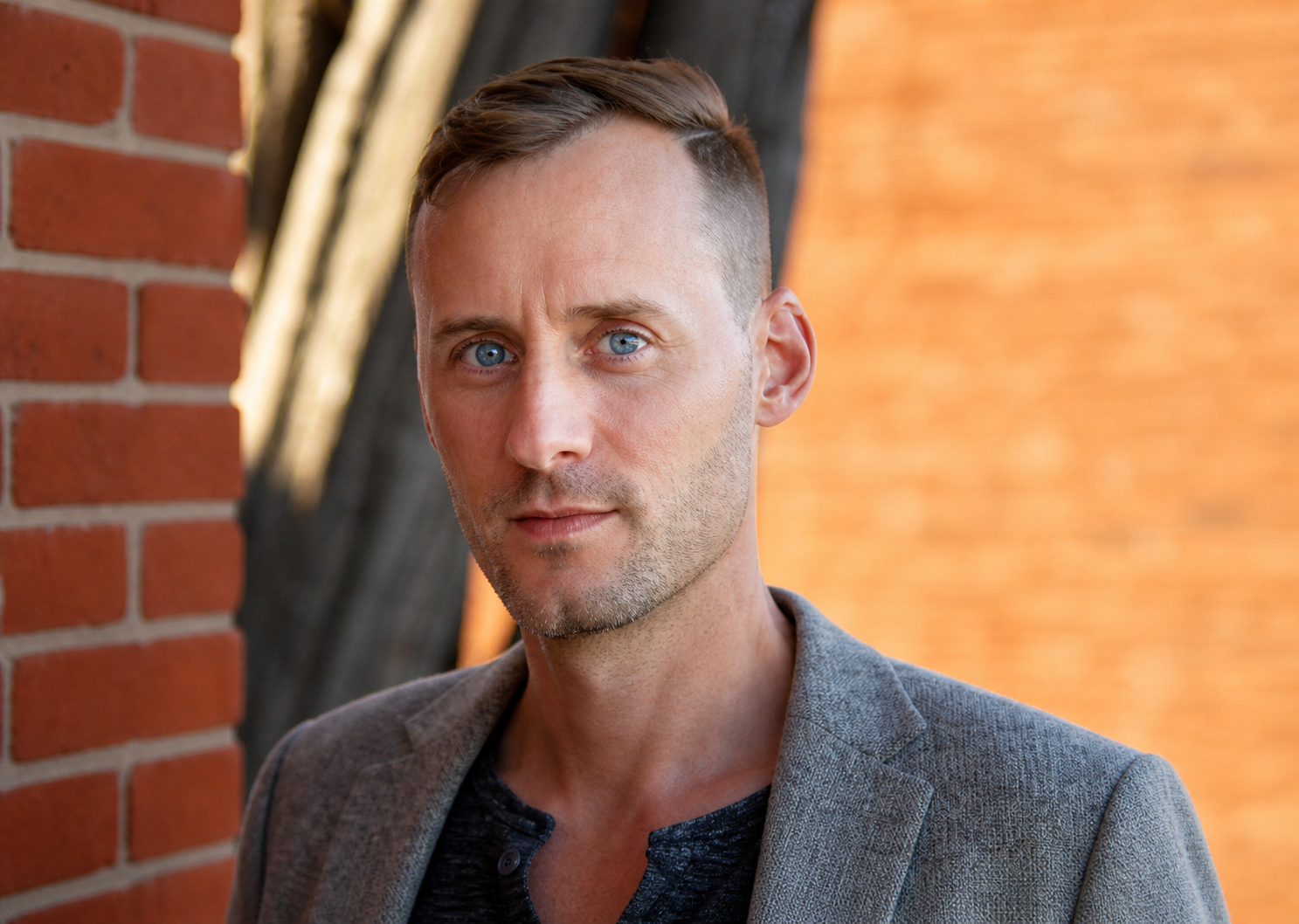
That tension is the space where Jeffrey Dietrich saw an opportunity. As the founder of Rarebird Coffee, Dietrich is not trying to replace the coffee ritual with a supplement, energy drink, or wellness trend. He is trying to make coffee work better for people who love the taste and routine but want a smoother energy experience.
Rarebird Coffee is built around paraxanthine, also known as Px, a compound connected to how the body naturally processes caffeine. The idea is simple on the surface but ambitious underneath: keep the comfort of real coffee, remove traditional caffeine, and offer a different way to feel alert without the usual caffeine downsides.
That is what makes the Rarebird story interesting. It is not just another coffee brand with sleek packaging. It is a science-led consumer product built around a very common problem: people want energy, but they do not always want caffeine.
Who is Jeffrey Dietrich
Jeffrey Dietrich is the scientist and entrepreneur behind Rarebird Coffee. His founder story stands out because Rarebird did not begin as a random beverage idea. It grew out of a personal frustration with caffeine and a scientific interest in whether coffee could deliver focus in a better way.
Dietrich’s background gives the company a different feel from many modern coffee startups. Rarebird is not only talking about roast profiles, origin stories, or café culture. It is also talking about ingredients, metabolism, product formulation, and how the body responds to stimulants.
That mix of science and consumer behavior is central to Rarebird’s identity. Dietrich understood that most coffee drinkers do not want a lecture before their morning cup. They want something that tastes familiar, feels easy to use, and solves a real problem. Rarebird had to turn a technical ingredient like paraxanthine into a product people could understand in seconds.
This is where Dietrich’s success becomes more than product development. He took a complicated idea and shaped it into a brand with a clear promise: coffee energy without the traditional caffeine experience.
The caffeine problem Rarebird Coffee is trying to solve
Caffeine works well for many people, but it does not work the same way for everyone. Some can drink several cups and feel fine. Others feel shaky after one mug. Some people can enjoy coffee in the afternoon without any issue, while others know that a late cup can ruin their sleep.
That uneven experience creates a real gap in the coffee market. Regular coffee gives energy, but it can feel too intense. Decaf keeps the taste, but it often misses the alertness many people want from coffee. Energy drinks can offer stimulation, but they do not replace the comfort, aroma, and habit of a brewed cup.
Rarebird Coffee is built for that gap. It speaks to coffee drinkers who are not ready to give up coffee but are ready to rethink caffeine. These are people who may love the ritual but dislike the crash, jitters, or wired feeling. They may be professionals who need focus, parents who want steady energy, students who are watching their sleep, or caffeine-sensitive consumers who still want a real coffee experience.
Instead of asking those people to choose between full caffeine and decaf, Rarebird offers a third path.
What makes Rarebird Coffee different
Rarebird Coffee’s main difference is Px Coffee, coffee made with paraxanthine rather than traditional caffeine. In simple terms, Rarebird starts with coffee and builds the energy experience around Px, which the brand positions as a smarter caffeine alternative.
That distinction matters because Rarebird is not selling standard decaf coffee. It is also not selling coffee with a random functional ingredient added for marketing appeal. The company’s product story centers on replacing caffeine with a compound that is closely related to caffeine’s natural pathway in the body.
For everyday buyers, the value is easier to understand than the science. Rarebird is meant for people who want to drink coffee and feel alert, but who do not want the familiar side effects that often come with caffeine. The brand’s message is built around smoother energy, better focus, and a coffee experience that feels less disruptive.
That gives Rarebird a clear lane in a crowded market. There are countless coffee brands competing on bean origin, roast level, sustainability, convenience, or lifestyle. Rarebird competes on a different question: what if the stimulant inside coffee could be improved?
What paraxanthine means in simple words
Paraxanthine is a metabolite of caffeine. That means when a person drinks caffeine, the body naturally breaks part of it down into paraxanthine. Rarebird’s idea is to use paraxanthine more directly in coffee instead of relying on traditional caffeine.
For readers who are not familiar with the term, the easiest way to think about Px is as a caffeine-related compound with a different feel. Rarebird presents it as an alternative designed to support alertness and focus while reducing some of the common complaints tied to caffeine.
It is important not to overstate the idea. Rarebird Coffee is still a consumer beverage, not a medical product. Its appeal comes from everyday usefulness, not from promising miracle results. The product is designed for people who want a more manageable coffee experience, especially those who feel that regular caffeine is too harsh for their body or routine.
The smart part of Dietrich’s approach is that he did not try to make coffee feel unfamiliar. Rarebird still fits into the same moments where people already drink coffee. Morning work. A mid-day reset. A quiet cup before a busy schedule. The difference is in what powers that experience.
Why Px Coffee sits between regular coffee and decaf
Most coffee choices are built around a simple split. You either drink regular coffee for energy or decaf for taste without much stimulation. Rarebird challenges that split by placing Px Coffee in the middle.
That middle position is powerful because it reflects how many people actually live. They may want real alertness, but not too much. They may want a second cup, but not the sleep disruption. They may love coffee, but dislike feeling overstimulated.
This is where Rarebird’s product-market fit becomes easier to see. It does not need to convince people that coffee matters. Coffee is already part of their day. Rarebird only has to convince them that the energy inside coffee can be redesigned.
That is a much stronger proposition than launching an entirely new habit. Consumers are often resistant to products that ask them to change too much. Rarebird keeps the ritual familiar and changes the ingredient story behind it.
How Jeffrey Dietrich turned science into a consumer brand
One of the harder parts of building Rarebird Coffee is translating science into something people can care about. Paraxanthine may be an interesting compound, but most consumers do not buy coffee because they want to think about metabolism. They buy it because they want a cup that tastes good and helps them feel ready for the day.
Jeffrey Dietrich’s achievement is in connecting those two worlds. Rarebird uses science as the foundation, but the brand message stays practical. It talks about jitters, focus, sleep, and daily energy. Those are real-life terms customers understand.
This is an important lesson in founder-led product building. Innovation alone is not enough. A technical product has to become a simple story. Rarebird turns Px into a consumer-friendly idea by linking it to problems people already know from regular caffeine.
The brand also keeps coffee at the center. Rarebird is not asking customers to take a capsule or drink something that feels medicinal. It gives them coffee, which already has emotional value. The smell, taste, warmth, and routine remain part of the product.
That makes the brand easier to adopt. The science may be new, but the behavior is familiar.
The business achievement behind Rarebird Coffee
Rarebird’s progress shows how Dietrich has moved the company beyond the idea stage. The brand has gained recognition in the specialty coffee world, received attention from major media outlets, and attracted investment to support growth.
For a young coffee company, recognition from the coffee industry matters. It signals that Rarebird is not only trying to win through novelty. It also has to stand up in a category where taste, quality, and trust are taken seriously.
The company’s patent activity also gives the business a stronger foundation. In the beverage world, many ideas can be copied quickly if they are only based on branding. Rarebird’s focus on Px coffee products and related methods gives it a more defensible position. That matters if the company wants to grow from a niche direct-to-consumer product into a broader platform for caffeine alternatives.
Investment is another key part of the Rarebird story. Funding can help a company improve research and development, build e-commerce, explore business-to-business sales, and introduce the product to more customers. For Rarebird, that growth path could include online subscriptions, retail placement, office coffee programs, specialty cafés, or partnerships with other roasters.
This is where Dietrich’s work becomes more than a founder profile. He is not simply launching a clever coffee product. He is trying to build a new category inside one of the most established beverage markets in the world.
Why Rarebird fits the rise of functional beverages
Rarebird Coffee is arriving at a time when consumers are thinking more carefully about what their drinks do for them. The functional beverage market has grown because people are no longer buying drinks only for taste. They are also thinking about focus, mood, sleep, hydration, gut health, and energy quality.
Coffee has always been functional in a way. People drink it because it tastes good, but also because it helps them feel awake. Rarebird takes that built-in function and updates it for a more health-conscious customer.
The timing makes sense. More people are paying attention to caffeine intake. Some are cutting back because of anxiety. Some are protecting sleep. Some are testing decaf or half-caf. Others are looking for smoother energy during long workdays.
Rarebird gives those consumers a product that does not feel like a compromise. That is one of its strongest advantages. Decaf can feel like giving something up. Rarebird positions Px Coffee as an upgrade, not a downgrade.
That emotional difference matters in consumer branding. People are more likely to stick with a product when it makes them feel like they are choosing something better, not settling for less.
The trust challenge around a new coffee category
A new kind of coffee needs more than a good claim. It needs trust. Rarebird has to educate customers without overwhelming them, explain Px without sounding too technical, and make sure the first cup delivers enough value for people to come back.
Taste is a major part of that trust. Coffee drinkers can be loyal, but they are also picky. If a product does not taste good, the science will not save it. Rarebird has to compete as coffee first and innovation second.
Clear communication is just as important. Because paraxanthine is unfamiliar to many people, Rarebird has to explain it in plain language. Customers need to know what Px is, why it is used, and how it differs from caffeine or decaf.
The brand also has to be careful with its promises. Energy, focus, and sleep-related language can be powerful, but it has to stay responsible. Rarebird’s credibility depends on sounding confident without becoming exaggerated.
This balance is part of what makes Dietrich’s founder journey interesting. He is building in a category where the product must satisfy both curiosity and caution. People may be excited by a better caffeine alternative, but they still want to know what they are putting into their body.
How Rarebird Coffee could grow from here
Rarebird Coffee has room to grow in several directions. The most obvious path is reaching more caffeine-sensitive coffee drinkers through online sales, subscriptions, and targeted education. These early customers are likely to understand the problem quickly because they have already felt caffeine’s downside themselves.
The next path is broader consumer adoption. Rarebird does not have to stay limited to people who identify as caffeine sensitive. It can also appeal to busy professionals, wellness-minded shoppers, late-day coffee drinkers, and anyone who wants smoother energy without switching to decaf.
There is also a business-to-business opportunity. If Px Coffee becomes more familiar, cafés, offices, hotels, and specialty roasters could see value in offering a caffeine alternative that still behaves like coffee. In that case, Rarebird would not only be a coffee brand. It could become a technology supplier for a new style of coffee product.
That possibility is what makes Jeffrey Dietrich’s work with Rarebird so compelling. He is building around a problem that millions of coffee drinkers understand, but he is approaching it from an angle that still feels fresh. The company’s success will depend on taste, education, trust, and distribution, but the core idea is easy to grasp.
People love coffee. They just do not always love what caffeine does to them. Rarebird Coffee is Dietrich’s attempt to keep the part people love and improve the part many have learned to tolerate.