
There is a quiet problem in the job market that many people know too well. A person can spend years leading teams, solving problems, caring for others, serving in the military, running a household, building a side business, volunteering in the community, or navigating hard life transitions, yet still struggle to explain those experiences in a way employers understand.
That gap between what people have done and what employers can clearly see is where Gina Jeneroux and AETHEON are focusing their work.
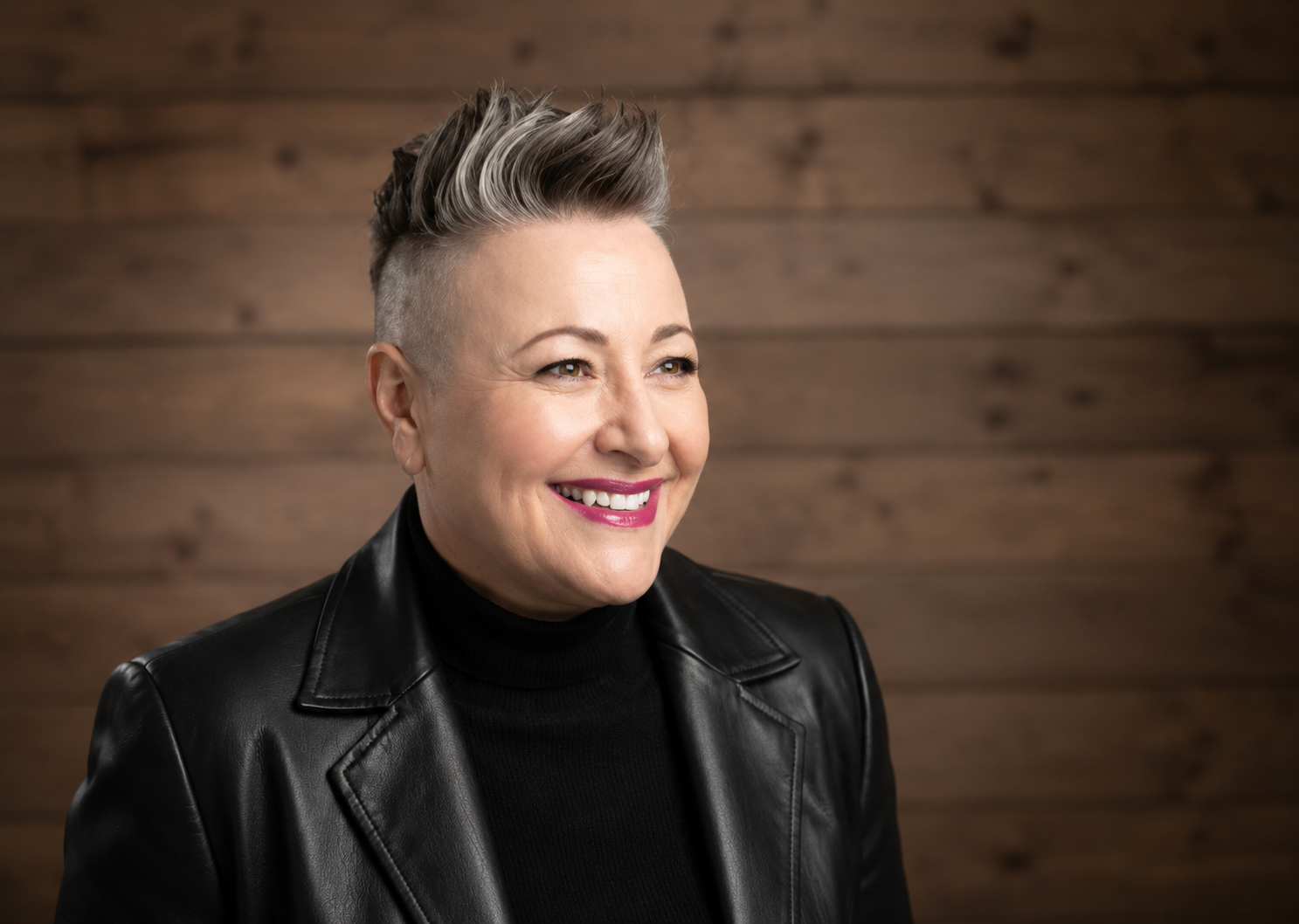
As Co-Founder and Chief Skills and Innovation Officer at AETHEON, Gina is helping build a skills-first way to recognize human experience. The company is working on a system that translates lived experience into job-ready skills, giving workers a clearer way to show what they can actually do. For employers, the idea is just as important. Instead of relying only on job titles, degrees, or polished resumes, AETHEON wants to help organizations see capability with more confidence.
In a job market shaped by AI, automation, career changes, and widening skills gaps, that mission feels timely. The future of work is not only about new tools. It is also about giving people better ways to prove their value.
Who is Gina Jeneroux
Gina Jeneroux has built her career around learning, skills, business transformation, and the future of work. Before joining AETHEON, she held senior learning and innovation roles, including serving as Chief Learning Officer at BMO Financial Group. Her work there focused on enterprise learning, workforce readiness, skills strategy, and helping people prepare for changing business needs.
That background matters because AETHEON is not simply another AI startup trying to automate hiring. Its work sits closer to a bigger question. How do people keep growing as work changes, and how can organizations understand that growth in a practical way?
Gina’s experience gives her a strong view of both sides of the challenge. She understands what workers need when they are trying to move forward, and she understands what employers need when they are trying to identify talent, build teams, and plan for the future. Her role at AETHEON brings those worlds together through a skills-first lens.
She is also known for her focus on future work, AI, human potential, and skills intelligence. Those themes connect directly with AETHEON’s mission. The company is not just helping people list skills. It is trying to make skills easier to understand, validate, and use in real career decisions.
What AETHEON is building
AETHEON is building what it describes as a skills operating system. In simple terms, the company is creating technology that helps people turn real-life experience into clear, job-ready capabilities.
That can include experience from work, military service, education, caregiving, volunteering, leadership, community involvement, or other non-traditional paths. AETHEON’s platform is designed to look beyond the surface of a resume and help identify the skills a person has actually developed.
Two important parts of the company’s work are SkillsOS and Skills Atlas. These tools are connected to the idea of mapping human experience into usable skills data. The goal is to make skills portable, understandable, and useful across job opportunities, workforce programs, education pathways, and employer talent systems.
This matters because many people do not lack ability. They lack a clear way to translate that ability into the language of the job market.
A veteran may have led complex operations under pressure but may not know how to explain those abilities in civilian workplace terms. A caregiver may have built strong planning, communication, and problem-solving skills but may not see those as professional strengths. A recent graduate may have project experience, technical exposure, or leadership potential but may struggle to turn that into a convincing skills profile.
AETHEON is trying to make that translation easier.
Why real-world experience is often overlooked
Traditional hiring systems are built around simple signals. Job titles. Degrees. Years of experience. Keywords. Previous employers. These signals can be useful, but they often miss the full picture.
A person’s real ability is usually more layered than a resume can show. Work experience does not always fit neatly into one title. Career paths are rarely straight. People learn through pressure, responsibility, failure, adaptation, and problem-solving. They build transferable skills in places that hiring systems do not always recognize.
This is especially true for people with non-linear careers. Veterans, caregivers, career changers, first-generation professionals, displaced workers, and people returning to work after a break may have valuable capabilities that are hard to package. They may know how to lead, manage conflict, communicate with different groups, make decisions, organize complex tasks, and stay calm under pressure. But if those skills are not written in the right format, they can be missed.
Employers lose out too. When hiring teams rely too heavily on old filters, they may overlook strong candidates. A person who does not match the perfect resume pattern may still have the exact skills needed for the job. A skills-first approach can help uncover that hidden talent.
This is one reason skills-based hiring has become such an important conversation. Companies want better ways to find talent. Workers want fairer ways to show what they bring. AETHEON is entering that conversation with a practical focus on translating experience into evidence.
How Gina Jeneroux is bringing a skills-first mindset to AETHEON
Gina’s achievement with AETHEON is rooted in her ability to connect learning strategy with real workforce needs. She has spent years thinking about how people build capability and how organizations can prepare for the future. At AETHEON, that thinking is being shaped into a product and platform.
Her work reflects a simple but powerful idea. People are more than their job titles.
A job title might say “manager,” but it does not explain whether someone can coach a team, improve a process, handle uncertainty, or lead through change. A degree might show formal education, but it does not always show adaptability, judgment, or hands-on experience. A resume might list duties, but it may not fully capture what a person has learned through doing.
Gina’s skills-first mindset helps reframe the conversation. Instead of asking only where someone has worked, the better question is what they can do and how they can grow.
That shift matters for workers and employers. For workers, it can build confidence and open new career pathways. For employers, it can support stronger hiring, better workforce planning, and smarter talent mobility. For education and workforce programs, it can create clearer links between learning, experience, and employment.
The role of AI in turning experience into skills
AI plays an important role in AETHEON’s model, but the most interesting part is not the technology alone. It is how the technology can support a more human view of work.
AI can help process large amounts of information, identify patterns, and map experience to skill categories. It can help turn messy, personal, real-world stories into structured skills profiles that employers and workforce partners can understand. It can also help connect people to roles, learning pathways, or opportunities that match their strengths.
Used well, AI becomes a translation layer. It helps move from “this is what I have done” to “these are the skills I can bring.”
That is a meaningful shift. Many people struggle to name their own skills, especially when those skills were gained outside traditional career settings. AETHEON’s work suggests that AI can help make those skills more visible without removing the human story behind them.
The key is balance. Skills intelligence should not flatten people into data points. It should help make their experiences easier to understand. Gina’s background in learning, human-centered design, and future work gives AETHEON a stronger foundation for that balance.
Why AETHEON matters for veterans, graduates, and career changers
AETHEON’s mission is especially relevant for people whose experience does not fit cleanly into standard hiring boxes.
Veterans are one clear example. Military experience often builds leadership, discipline, teamwork, operational thinking, risk management, communication, and resilience. Yet many veterans still face difficulty translating that experience into civilian job language. A platform that can map military experience into job-ready skills could make career transitions easier and more accurate.
Recent graduates are another group that can benefit. Many graduates leave school with projects, internships, part-time work, research experience, volunteer roles, and early leadership experience. But they may not know how to frame those experiences in a skills-first way. AETHEON’s approach could help them show more than a degree or entry-level resume.
Career changers also need better translation tools. Someone moving from hospitality into customer success, from teaching into corporate training, or from operations into project management may already have many transferable skills. The challenge is showing the connection clearly.
Caregivers and people returning to work after a break are often overlooked as well. They may have built strong organization, emotional intelligence, planning, advocacy, and crisis-management skills, yet those skills are rarely treated as formal career assets. A more flexible skills system can help recognize that value.
This is where AETHEON’s work has a wider social impact. It can help people who have been underestimated by traditional systems show their readiness in a clearer, more credible way.
How AETHEON could help employers find hidden talent
The value of AETHEON is not limited to job seekers. Employers also need better tools for understanding talent.
Hiring has become harder in many industries because resumes are often incomplete signals. AI-generated resumes and keyword-heavy applications can make it even harder to know what someone can really do. At the same time, many companies are trying to shift toward skills-based hiring, internal mobility, and workforce planning.
AETHEON’s skills operating system could help employers identify capability more clearly. Instead of only matching candidates to jobs based on titles and keywords, employers could look at verified skills, transferable experience, and readiness for specific roles.
That can support better hiring decisions. It can also help companies find talent already inside their own organizations. Many employees have skills that are not visible to managers or HR systems. A skills-first platform can help uncover those strengths and connect people to new roles, projects, or development paths.
For employers, this is not just about hiring faster. It is about building a workforce that can adapt. When companies understand skills more clearly, they can plan for change, close skills gaps, and invest in the right learning opportunities.
AETHEON’s funding and early momentum
AETHEON has already gained attention for its mission. The company raised $1.24 million in seed funding, giving it early momentum as it builds its platform and works toward pilots with partners across workforce development, education, employers, nonprofits, and public-sector groups.
That funding matters because the market is paying attention to skills intelligence. Organizations know that the old ways of matching people to work are under pressure. Workers are changing careers more often. Employers need more accurate talent signals. AI is reshaping jobs faster than many training systems can respond.
AETHEON is entering the market at a moment when skills are becoming a more important currency. People need portable proof of what they can do. Employers need better ways to evaluate capability. Education and workforce partners need clearer pathways from learning to employment.
Gina’s role in this momentum is important because she brings deep experience in learning strategy and workforce transformation. She is not approaching the problem as a trend. She has spent years working with the reality of how people learn, grow, and prepare for change.
Why Gina Jeneroux’s work connects to the future of learning
The future of learning is moving away from one-size-fits-all training. People need more personalized, flexible, and practical ways to build skills. Employers need learning systems that connect directly to business needs. Workers need clearer proof that their learning and experience can lead somewhere.
This is where Gina’s background becomes especially relevant. Her career has focused on helping people and organizations prepare for what comes next. At AETHEON, that work continues through a sharper focus on skill visibility, skill validation, and career mobility.
Learning is no longer only about completing a course. It is about building evidence of capability. It is about knowing which skills matter, where a person already has strength, and what they need to develop next. It is also about helping people move from experience to opportunity with more confidence.
AETHEON’s work fits into this shift. By translating lived experience into job-ready skills, the company is helping create a bridge between learning, work, and human potential.
What makes Gina Jeneroux’s achievement worth watching
Gina Jeneroux’s work with AETHEON is worth watching because it brings together several urgent themes in the modern workforce. AI. Skills-based hiring. Career mobility. Hidden talent. Human-centered innovation. Workforce readiness. These are not separate conversations anymore. They are all connected.
Her achievement is not only that she co-founded a startup. It is that she is applying decades of learning and skills experience to a problem that affects millions of people. Many workers have more ability than the job market can see. Many employers need better ways to recognize potential. AETHEON is trying to close that gap.
In a world where resumes are often too limited and job titles do not tell the full story, Gina’s work points toward a more useful model. People should be able to carry their skills with them. They should be able to show what they have learned from work and life. They should have better tools to move into roles where they can contribute and grow.
That is the promise behind AETHEON. It is not just about making hiring smarter. It is about helping people turn experience into opportunity.