
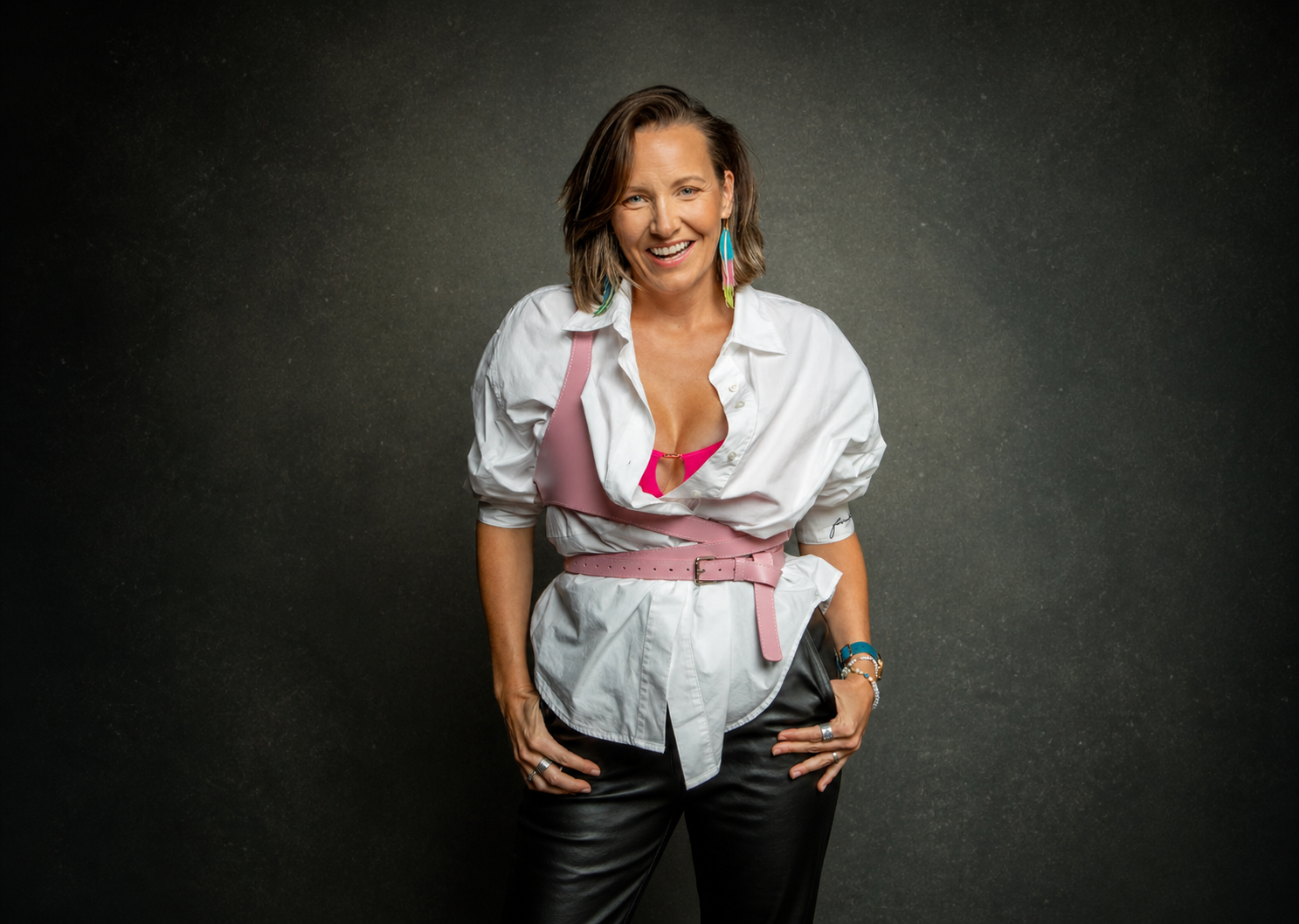
When people talk about founder stories, they often focus on hustle, timing, or big business milestones. Dana Donofree’s story with AnaOno feels different from the start. It is rooted in something much more personal. Before AnaOno became a recognized name in post surgery intimates, Dana was simply trying to find a bra that made sense for her own body after breast cancer and surgery.
That search led her straight into a gap the fashion industry had ignored for years. Traditional lingerie was built around a narrow idea of what a body should look like. It did not leave much room for people recovering from a mastectomy, living with breast reconstruction, choosing flat closure, or adjusting to any kind of chest change after treatment. What Dana saw was not just a design problem. It was a deeper issue around visibility, dignity, comfort, and confidence.
That is what makes the growth of AnaOno worth paying attention to. Dana Donofree did not just launch another lingerie label. She built a brand that helped push chest-inclusive fashion into the conversation and gave people better options during one of the hardest chapters of their lives.
Who Dana Donofree Is and What Led Her to AnaOno
Dana Donofree came into this space with a background in fashion design, not healthcare. That matters because it shaped the way she approached the problem. She understood fit, construction, fabric, and how clothing can affect the way someone feels in their own skin.
Her life changed after a breast cancer diagnosis in her late twenties. Suddenly, she was not looking at fashion from the outside as a designer. She was living through the experience herself. After surgery, she found that the lingerie options available to her felt outdated, overly medical, uncomfortable, or simply disconnected from what many people actually want after treatment. She did not want to feel hidden away in something that looked like it was made without care. She wanted comfort, but she also wanted beauty, softness, and a sense of self.
That frustration became the starting point for AnaOno. Instead of accepting that the market had nothing better to offer, Dana decided to create something new. She brought together her lived experience and her design training to build intimates for people whose bodies had changed, but whose desire to feel confident had not disappeared.
The Problem With Traditional Intimates After Breast Surgery
To understand why AnaOno stood out, it helps to understand what the market looked like before it arrived. For a long time, many post mastectomy bras and recovery garments were treated more like medical products than thoughtful apparel. Function came first, but even that function often felt limited. Style was an afterthought. Emotional comfort was barely part of the conversation.
For many people, standard bras can be difficult after surgery for very practical reasons. Underwire can irritate scars. Certain seams can rub against sensitive skin. Rigid cups may not fit bodies that have changed shape. Reconstruction results vary. Some people have one breast, two breasts, no breasts, or asymmetry after surgery. Others are managing expanders, healing tissue, radiation sensitivity, or ongoing discomfort. Yet the broader intimate apparel market was still designing around a single body standard.
Dana Donofree understood that this was not a small oversight. It was a real underserved category. There were people looking for recovery bras, soft support, front closures, smoother fabrics, flexible fits, and styles that recognized different surgical outcomes. There were also people who wanted to stop feeling like they had to choose between comfort and feeling attractive.
That is where patient-centered design became so important. Dana was not designing around a trend. She was designing around real bodies, real scars, and real everyday needs.
How Dana Donofree Launched AnaOno in 2014
Dana founded AnaOno in Philadelphia in 2014, turning a deeply personal frustration into a clear business mission. The idea was simple in one sense and powerful in another. Create lingerie that actually works for people after breast surgery recovery, while still feeling modern, wearable, and beautiful.
That mission gave the brand a strong identity from the beginning. AnaOno was not trying to force people back into traditional bra expectations. It was built around the idea that bodies after surgery are not problems to fix. They are bodies that deserve better design.
That mindset helped the company stand out early. Dana was not just designing products for a niche category. She was speaking directly to people who felt unseen by both fashion and mainstream retail. That kind of clarity can be hard to manufacture. In her case, it came from lived experience.
It also gave the brand a strong foundation for long-term growth. When a founder understands the problem this personally, product decisions tend to feel sharper and more honest. That became one of Dana Donofree’s biggest strengths as she grew AnaOno.
What Made AnaOno Different From Other Intimates Brands
The biggest difference was the design philosophy. AnaOno was created with chest inclusivity at the center rather than as an add-on. That meant the brand could serve people with a wide range of needs, including those recovering from lumpectomy, implant reconstruction, flat closure, unilateral reconstruction, or asymmetry.
Instead of building everything around traditional underwire silhouettes, the brand focused on features that made more sense for healing and daily wear. Soft fabrics, wireless support, adaptable fits, and thoughtful construction all became part of the product experience. Some styles were pocketed for those who use breast forms. Others were designed for different chest types and comfort preferences rather than a single expected shape.
This is where AnaOno moved beyond being a survivor brand and became a real apparel innovation story. Dana Donofree was not just making post-treatment products. She was helping redefine what inclusive lingerie could look like.
That shift mattered because it made room for both practicality and emotion. A bra can be functional, but it can also change the way someone moves through the day. Feeling supported and feeling like yourself again are not separate things. Dana seemed to understand that from the start.
How Dana Donofree Turned Product Design Into Brand Purpose
Some brands talk about mission because it sounds good in marketing. AnaOno feels different because the purpose is built directly into the product itself. Dana Donofree created the company from a moment of vulnerability, and that gave the brand a deeper kind of credibility.
At its core, AnaOno is about more than bras. It speaks to identity after a life-changing event. For many people, breast surgery affects much more than the body. It can touch confidence, intimacy, self-image, and the sense of familiarity someone once had with their own reflection. Clothing cannot solve all of that, but it can help someone feel more at ease in their own skin.
Dana built the brand around that emotional truth. The message was never just wear this because it fits. The message was closer to this: your body still deserves beauty, comfort, and respect. That is part of why AnaOno connected so strongly with its audience.
In practical business terms, that brand purpose also helped Dana Donofree separate AnaOno from generic lingerie startups. It gave the company a voice that felt real. It made community-building more natural. And it created a stronger relationship between product design and customer trust.
The Role of Advocacy in AnaOno’s Growth
One of the reasons Dana Donofree’s success story stands out is that she did not build AnaOno as a purely transactional ecommerce brand. Advocacy became part of the company’s identity.
The brand has been involved with organizations such as Living Beyond Breast Cancer and Metavivor, which helped strengthen its place within the broader breast cancer community. That kind of involvement matters because it shows that the mission extends beyond sales. It places the brand inside real conversations about survivorship, support, representation, and metastatic breast cancer awareness.
Advocacy also helped AnaOno earn trust in a category where trust matters a great deal. People recovering from surgery are often navigating physical change, emotional stress, and uncertainty. A brand that shows up consistently in the community feels different from one that simply targets a market segment.
Dana’s role as both founder and advocate helped reinforce that trust. She was not speaking about this issue from a distance. She was part of the story, part of the conversation, and part of the community she served.
How New York Fashion Week Gave AnaOno a Bigger Platform
One of the most memorable parts of the AnaOno story has been its presence at New York Fashion Week. These runway moments helped the brand move beyond product awareness and into cultural visibility.
That mattered because fashion runways usually reinforce very narrow ideas of beauty. Dana Donofree and AnaOno used that same stage to show something very different. Real people affected by breast cancer walked the runway. Scars were visible. Bodies that are rarely centered in fashion were placed right in front of the cameras.
That was powerful on a symbolic level, but it was also smart brand building. It gave AnaOno a visual identity tied to courage, representation, and honesty. It showed that the brand was not interested in hiding the realities of surgery. It wanted to challenge the way fashion frames recovery and femininity.
Over time, these shows also helped connect AnaOno to a wider audience. They generated media attention, expanded the conversation around body confidence, and helped position Dana Donofree as more than a founder. She became a visible voice in the push for more inclusive fashion.
From Founder-Led Brand to Wider Retail Recognition
Another sign of Dana Donofree’s success is that AnaOno did not remain a small direct-to-consumer idea known only to a specific community. The brand grew into wider retail visibility, with products appearing through larger names such as Nordstrom, Soma, and Victoria’s Secret.
That kind of expansion matters for more than prestige. It changes access. A category that was once overlooked starts to become easier to find. More people discover that there are options made for their needs. And the broader retail world gets a clearer signal that post surgery intimates are not a side issue. They are a meaningful part of the market.
This is where Dana Donofree’s achievement becomes especially important from a business standpoint. She proved that a mission-led brand serving an underserved audience could build enough momentum to influence mainstream retail. That is not easy to do, especially in fashion, where niche products are often underestimated.
The growth of AnaOno shows what can happen when a founder combines authenticity with strong product-market fit. Dana was not trying to create demand out of thin air. She recognized a real need and built for it with precision.
What Dana Donofree’s Success Says About Modern Founder Brands
Dana Donofree’s work with AnaOno says a lot about what makes founder-led brands resonate today. People respond to products that solve real problems. They also respond to companies that feel grounded in lived experience rather than empty branding language.
That does not mean every personal story becomes a successful business. What made Dana’s approach work was the combination of story, design skill, and follow-through. She understood the customer because she had been the customer. She had the professional background to turn insight into actual product solutions. And she built a brand that kept expanding its relevance through advocacy, community, media visibility, and retail growth.
This is why AnaOno is not just a touching founder story. It is a case study in inclusive design, fashion innovation, and category creation. Dana Donofree found an area where people had been overlooked and built a company around meeting them with empathy and quality.
Why AnaOno Changed the Conversation Around Post Surgery Intimates
The biggest impact of AnaOno may be that it helped change expectations. Before brands like this gained visibility, many people accepted that recovery wear had to be plain, overly clinical, or emotionally detached. Dana Donofree challenged that assumption.
She showed that post-surgery bras and chest-inclusive lingerie could be soft, modern, attractive, and made with care. She helped push the idea that people recovering from breast cancer deserve better than whatever the old system happened to offer. They deserve design that acknowledges their bodies without reducing them to a diagnosis.
That is why the success of AnaOno matters beyond sales numbers or retailer names. The brand helped reshape the language around recovery, representation, and self-image. It made more room in fashion for bodies that had been pushed to the margins.
Dana Donofree built AnaOno from a personal need, but the brand’s impact became much bigger than that. It helped turn an overlooked product category into a more human one. And in doing so, it changed what people could expect from post surgery intimates in the first place.