
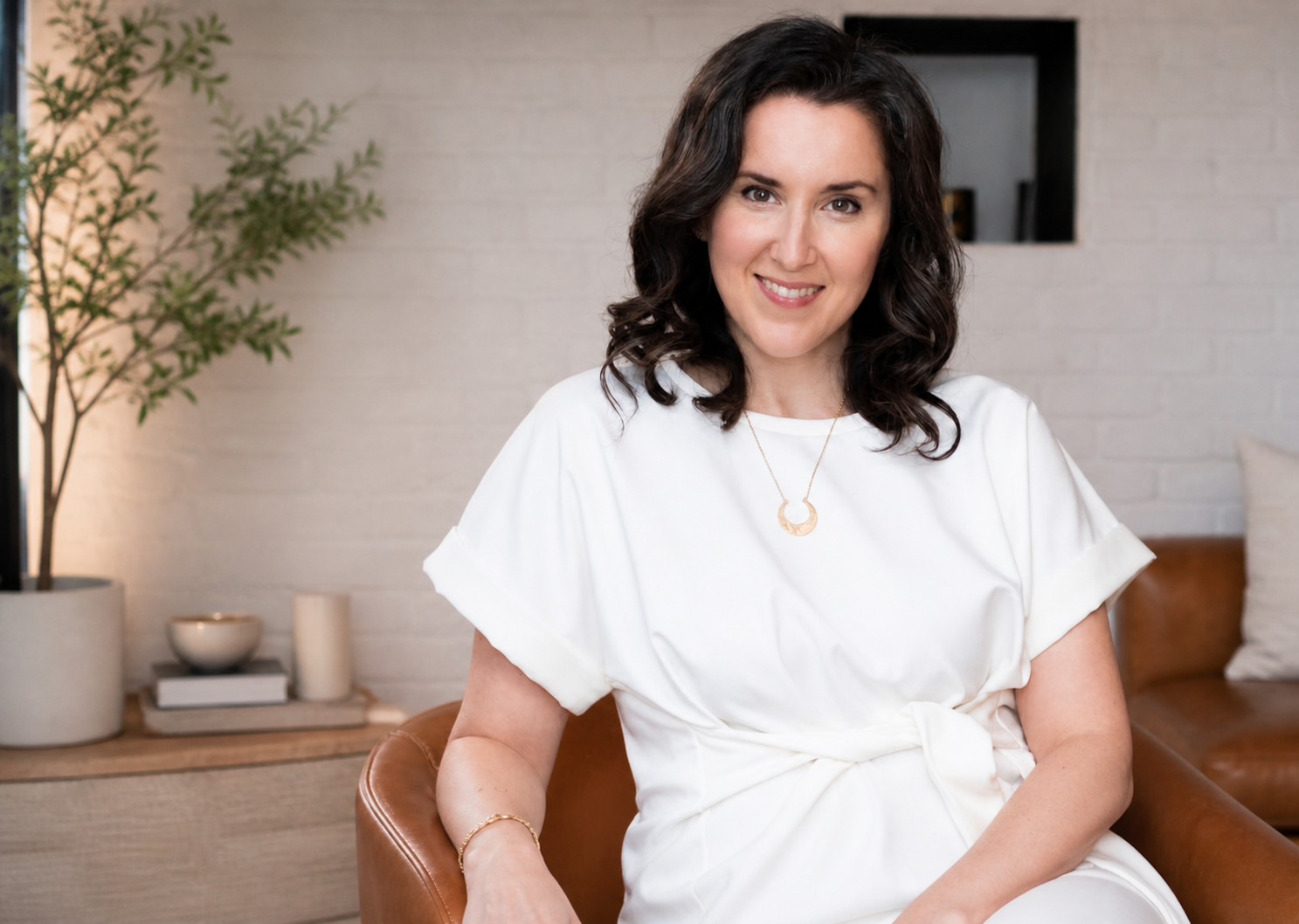
Alisa Vitti did not build FLO Living by trying to sound like every other wellness brand in the market. She built it by speaking to a problem many women already knew too well: feeling dismissed, confused, and stuck when it came to their hormones.
That is a big reason her name stands out today. Long before cycle syncing became a familiar phrase across social media and modern wellness spaces, Alisa Vitti was building her work around women’s hormone health, functional nutrition, and a more personalized way of understanding the female body. Through FLO Living, she turned that focus into a recognizable wellness brand built on education, hormone support, and a clear point of view.
What makes her story interesting is that FLO Living did not grow from a vague idea about self-care. It grew from a very specific mission. Vitti wanted to help women better understand their menstrual cycle, support hormone balance, and make daily choices in a way that felt more aligned with how their bodies actually work. Over time, that mission helped FLO Living become more than a content platform. It became a full hormone wellness brand with books, supplements, coaching, digital tools, and a loyal audience.
Alisa Vitti’s Personal Health Story Became the Starting Point
One of the strongest parts of the Alisa Vitti story is that it begins with a real health struggle, not a market trend. Her experience with PCOS shaped the direction of her work and gave FLO Living a foundation that felt personal from the start.
Instead of accepting that frustrating symptoms were simply something to live with, she began looking for another path. That search pushed her deeper into functional nutrition, hormone health, and the kinds of lifestyle changes that could support long-term hormonal wellness. The result was not just a personal turning point. It became the beginning of a larger mission.
That matters because audiences tend to connect more deeply with brands that come from lived experience. FLO Living did not appear as a faceless company trying to enter the women’s wellness market. It came from a founder who was openly talking about period problems, hormone imbalance, PMS, fertility concerns, and the everyday confusion women often feel around their reproductive health.
Her personal story also gave the brand credibility in a different way. It made the business feel rooted in care, not just commerce. Women who found FLO Living were not just finding another website that sold supplements. They were finding a founder who seemed to understand the emotional and physical frustration behind hormonal symptoms.
Why FLO Living Entered the Women’s Health Space at the Right Time
FLO Living grew in a category that was already full of demand, even if much of that demand had not been served well. For years, women were dealing with cycle-related symptoms, low energy, irregular periods, painful periods, skin issues, mood changes, and questions around hormone care without feeling like they were getting simple, practical answers.
That gap created room for a brand like FLO Living to stand out. Alisa Vitti was not only talking about women’s health. She was talking about it in a way that felt specific, usable, and centered on everyday life. She connected hormone health to food, fitness, productivity, mood, and energy, which made the subject feel more relevant to how women actually live.
This timing helped. The broader wellness market was becoming more open to personalized guidance, digital health tools, and non-one-size-fits-all approaches. At the same time, conversations around menstrual health, reproductive health, and female-focused wellness were becoming more visible. FLO Living stepped into that space with a clear message and a defined method, which gave it an advantage.
Rather than presenting hormone balance as a niche issue, the brand framed it as something central to women’s wellness. That was a smart move. It expanded the audience beyond women with one diagnosis and made the brand relevant to women who simply wanted better energy, fewer symptoms, improved cycle awareness, or more control over their health choices.
The Big Idea That Helped FLO Living Stand Out
Every strong brand usually has one idea people remember, and for FLO Living that idea was the Cycle Syncing® Method.
This was the concept that gave Alisa Vitti and FLO Living a distinct identity in the wellness space. Instead of telling women to follow the same food plan, workout style, and productivity routine every day of the month, the Cycle Syncing® Method focused on aligning food, fitness, and lifestyle choices with the four phases of the menstrual cycle.
That idea was memorable because it felt both simple and different. It gave people a framework. It also gave FLO Living a language all its own. Once women encountered the term cycle syncing, they had an easy way to remember the brand and talk about its approach with others.
This is one of the smartest business lessons in the FLO Living story. Alisa Vitti did not just offer advice. She packaged her expertise into a method people could name, understand, and apply. That makes a huge difference in brand building. A clear framework turns information into something more useful and more shareable.
The method also fit naturally into the rise of female biohacking and personalized wellness. While many wellness brands were still built around generalized routines, FLO Living was building its brand around the idea that women’s bodies follow different rhythms and deserve a different kind of support. That gave the company a stronger point of difference in a crowded market.
How Alisa Vitti Turned Education Into Brand Authority
A major reason FLO Living became a trusted name is that Alisa Vitti focused heavily on education. She did not rely only on product marketing or vague wellness language. She built authority by teaching.
That teaching happened across multiple channels. Her books, especially WomanCode and In the FLO, helped bring her ideas to a much larger audience. These books were important because they allowed readers to engage with her thinking in a deeper way. They also helped position her as more than a founder. She became a women’s hormone health educator and thought leader.
WomanCode helped introduce many readers to her food-based and lifestyle-centered approach to hormone balance. It gave people a more structured way to understand issues like PCOS, PMS, cycle irregularities, and hormonal symptoms. Later, In the FLO expanded that conversation by connecting the menstrual cycle to energy, productivity, fitness, relationships, and performance.
Together, those books strengthened the FLO Living brand in a big way. They created authority outside the company website, built trust with new audiences, and gave Alisa Vitti a platform that felt grounded in expertise. In wellness, trust often comes from repetition and clarity. She stayed consistent in her message, and that consistency made the brand more believable.
Educational content also made FLO Living feel more approachable. Hormonal health can sound technical, overwhelming, or overly clinical. Vitti helped make it easier to understand. That shift matters because consumers tend to trust brands that can make complex topics feel clear without sounding cold or confusing.
How FLO Living Expanded Beyond One Idea Into a Full Hormone Health Brand
A strong idea can attract attention, but a real business needs more than one big concept. FLO Living grew because it expanded beyond thought leadership and built an ecosystem around its message.
Over time, the brand developed into a more complete hormone wellness platform. That included programs, memberships, supplements, coaching, and digital support. Instead of leaving people with inspiration only, FLO Living gave them tools to put the brand’s ideas into practice.
That kind of expansion matters in business because it deepens trust. When a founder takes a concept and turns it into a usable system, the brand becomes more valuable in daily life. For FLO Living, that meant helping women move from reading about hormone health to actively working on it.
The MyFLO app played an important role in that evolution. It made cycle syncing and symptom tracking feel more practical and more consistent. A digital tool like that gives users a way to engage with the method in real time, which strengthens retention and brand connection. It also helps a wellness idea become part of someone’s routine rather than something they only read about once.
Supplements added another layer to the business model. They gave FLO Living a way to serve women who wanted more targeted hormone support. Coaching and guided programs helped too, especially for people looking for accountability, education, and a more personalized experience. Together, these pieces made FLO Living feel like a complete brand rather than a single-product company.
Why the Brand Message Resonated With So Many Women
FLO Living also succeeded because of how it communicated. The brand’s message felt personal, empowering, and easy to connect with. It did not speak to women as if they were passive patients waiting to be fixed. It spoke to them as people who could understand their bodies better and make more informed choices.
That tone matters. In the women’s health space, messaging can easily become either too clinical or too vague. FLO Living found a middle ground. It used language around hormone balance, menstrual health education, cycle phases, and symptom relief in a way that still felt warm and practical.
Another strength was that the brand framed the female body as something to work with, not something to fight against. That is a powerful message because many women have spent years hearing health advice that feels disconnected from their actual hormonal patterns. Alisa Vitti offered an alternative perspective, and that helped create loyalty.
The community side of the brand likely played a role too. When women find language that helps explain what they have been feeling, they often share it. That is how many modern wellness brands grow. They do not just gain customers. They build communities around recognition, relatability, and word of mouth. FLO Living’s rise fits that pattern.
How Science Backed Positioning Strengthened FLO Living’s Credibility
Another important part of FLO Living’s growth is how it has leaned into science-backed positioning. As the wellness space became more competitive, credibility became even more important. Consumers wanted more than beautiful branding and broad claims. They wanted proof, structure, and a stronger sense that a method had substance behind it.
FLO Living responded by highlighting clinical research connected to the Cycle Syncing® Method and the MyFLO app. That kind of positioning helps a brand move from being seen as interesting to being seen as more credible. In hormone health, that is especially important because people are often cautious about wellness promises.
For Alisa Vitti, this added another layer to her authority. She was already known as a functional nutrition expert, author, and educator. Scientific validation helped strengthen the brand story by suggesting that FLO Living’s ideas were not only culturally relevant but also increasingly backed by research.
This does not mean the brand stopped being accessible. In fact, one of FLO Living’s advantages is that it blends science-backed wellness with easy-to-understand communication. That balance makes it easier to attract both curiosity and trust.
The Business Lessons Behind Alisa Vitti’s Success
There are several clear business lessons in how Alisa Vitti built FLO Living.
The first is that she built around a problem people deeply felt. Women do not need to be convinced that hormone-related symptoms affect daily life. They already know it. What they need is language, guidance, and a sense that someone actually understands what they are dealing with. FLO Living met that need.
The second lesson is the value of creating a memorable framework. The Cycle Syncing® Method gave the brand an idea that could travel. It was easy to repeat, easy to explain, and strongly tied to the founder’s identity. That is a big advantage in branding.
The third lesson is that expertise becomes more powerful when it is translated into multiple touchpoints. Alisa Vitti did not stop at one format. She extended her message through books, a wellness platform, the MyFLO app, supplements, coaching, and content. That gave people multiple ways to enter the brand ecosystem.
Another lesson is consistency. FLO Living stayed focused on women’s hormone health, cycle syncing, personalized wellness, and education-first branding. That consistency made the company easier to remember and easier to trust.
What Keeps FLO Living Relevant in Today’s Wellness Market
FLO Living remains relevant because the issues it addresses are still highly important. Women are still looking for better hormone support, more personalized guidance, and practical ways to understand their energy, mood, metabolism, fertility, PMS, and perimenopause experiences.
The brand also sits at the intersection of several growing categories, including women’s wellness, femtech, symptom tracking, digital health, science-backed supplements, and personalized care. That positioning helps it stay visible in a crowded space.
Alisa Vitti’s voice still matters because she helped shape a conversation that is now much larger than one company. She became associated with cycle syncing, women’s hormone health, and a female-centered approach to wellness long before many competitors started using similar language. That early authority still gives FLO Living an edge.
In the end, the company’s trust was built step by step. It came from personal experience, a recognizable method, strong educational content, a clear brand voice, and a business model that turned ideas into everyday support. That is what helped Alisa Vitti build FLO Living into a trusted name in women’s hormone health.