
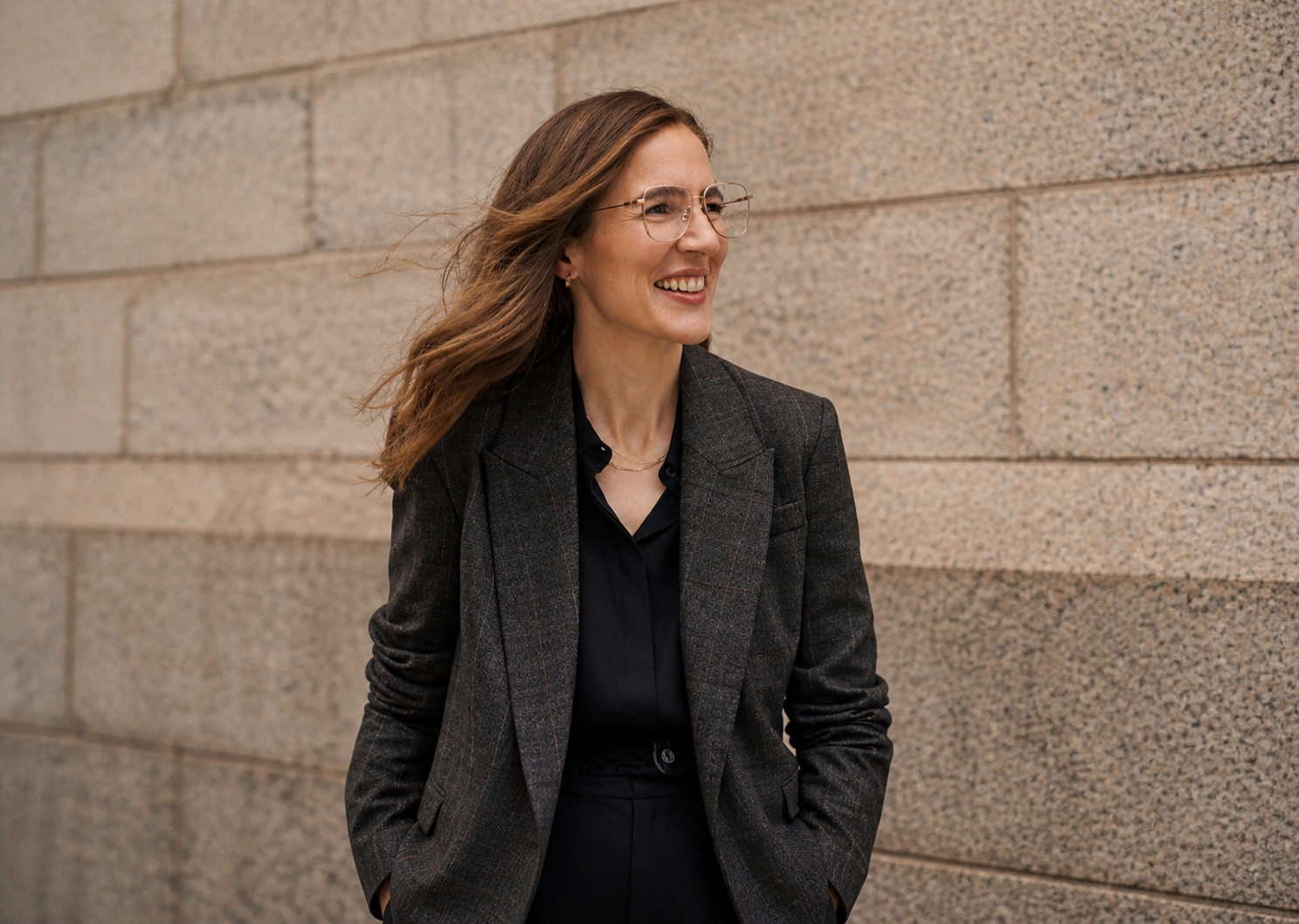
When people talk about brands that changed the look of women’s workwear, Argent deserves a real place in that conversation. The company did not become recognizable just because it sold blazers and trousers. It stood out because it understood something a lot of fashion brands missed for years: professional women wanted clothing that looked sharp, felt current, and actually worked for the way they lived.
That idea sits at the center of Sali Christeson’s story. Before launching Argent, she spent years in finance and technology and experienced the same frustration many professional women knew well. Office clothing often felt dull, restrictive, or disconnected from real working life. It was either too stiff, too forgettable, or too impractical. Instead of accepting that as the norm, Christeson built a brand around a simple but powerful belief that women should not have to choose between authority, comfort, and personal style.
That belief helped Argent grow from a smart niche idea into a standout name in women’s professional fashion. It gave the brand a clear identity, a loyal customer base, and a voice that felt bigger than clothing alone.
Who Is Sali Christeson
Sali Christeson is the founder and CEO of Argent, a brand built around modern workwear for women. What makes her story especially interesting is that she did not begin from the usual fashion founder path. Her perspective was shaped by real time spent inside demanding professional environments, not by distance from them.
That matters because Argent was never just a style exercise. Christeson understood firsthand what it felt like to get dressed for serious meetings, long days, fast-moving schedules, and workplaces where appearance still carried weight. She had lived the problem before trying to solve it.
That gave Argent an advantage from the start. The brand was not guessing what professional women might want. It was built by someone who had already spent years seeing the gap up close.
The Problem Sali Christeson Saw in Women’s Workwear
For a long time, women’s professional fashion was treated like an afterthought. There were expensive options that felt conservative and lifeless, trend-driven pieces that were not practical for serious workplaces, and basics that lacked polish. Too often, the category assumed that women should settle for clothing that looked acceptable rather than empowering.
Christeson saw that disconnect clearly. She understood that professional women wanted more from their wardrobes. They wanted clothes that looked strong without feeling severe. They wanted pieces that were polished without looking dated. They wanted fashion that respected both ambition and individuality.
This is where Argent found its opening. Instead of treating workwear as a narrow category filled with bland suits and safe neutrals, Christeson saw it as a missed opportunity. If women were building companies, leading teams, shaping policy, closing deals, and making decisions every day, why should their clothing feel so uninspired?
That question helped shape Argent’s identity early on. The brand was designed to answer a real need, not just a market trend.
How Argent Entered the Professional Fashion Space With a Clear Point of View
Argent entered the market with something many fashion brands spend years trying to find: a distinct point of view. It was not trying to be everything for everyone. It knew exactly who it was for and what problem it wanted to solve.
At its core, Argent offered workwear that felt bold, practical, and modern. That combination mattered. Plenty of brands leaned heavily toward style but ignored function. Others focused on utility and ended up looking forgettable. Argent pushed for both.
The brand’s pieces were made for women who wanted to look put together without losing comfort or personality. That meant strong tailoring, rich color, elevated fabrics, and design choices that actually considered how women move through a workday.
Just as important, Argent built emotional relevance into the product. These were not clothes meant to help women disappear into the office. They were meant to help them show up with clarity and presence.
Style That Did Not Feel Boring
One of the biggest reasons Argent caught attention is that it refused to treat professional dressing like a purely neutral affair. The brand embraced color, shape, and sharper styling in a way that felt confident rather than flashy.
That helped it stand apart from the usual image of office wear. Instead of repeating the same tired formula, Argent made room for suiting and separates that looked fresh and intentional. The result was a brand that felt aligned with modern ambition rather than older corporate dress codes.
This approach also made Argent easier to remember. In fashion, being useful matters, but being visually distinct matters too. Christeson understood that a standout brand needs both.
Functionality That Made the Brand Memorable
Argent also built a reputation around thoughtful functionality. This was one of the clearest signs that the brand truly understood its customer. Details like well-placed pockets, sleeves designed to stay pushed up, and other practical touches gave the clothing a sense of purpose beyond appearance.
That may sound simple, but in women’s fashion, small functional details often create outsized loyalty. When a brand solves everyday annoyances that other labels ignore, customers remember it.
Christeson did not treat those features as side notes. They became part of Argent’s identity. They signaled that the brand was paying attention not just to how women wanted to look, but to how they actually lived and worked.
Why Argent Connected With Professional Women
Argent resonated because it spoke to more than wardrobe frustration. It tapped into something deeper about visibility, confidence, and self-presentation in professional life.
For many women, workwear is not just about clothes. It is about how they feel walking into the room, leading a conversation, meeting a client, interviewing for a role, or stepping into a higher level of responsibility. Clothing cannot create skill or ambition, but it can support how a person carries both.
Argent understood that emotional side of dressing. The brand did not sell a fantasy detached from real life. It offered a version of professional style that felt useful, intentional, and confidence-building.
That is a big reason the brand connected with ambitious women across industries. It did not force them into an outdated definition of professionalism. It gave them a more current one.
How Visibility Helped Argent Build Brand Authority
As Argent grew, visibility played an important role in strengthening its reputation. High-profile women wearing the brand gave it added recognition and cultural credibility. When leaders and public figures are seen in a label repeatedly, people begin to associate that brand with authority.
Argent benefited from that effect. The brand became known among women in politics, media, business, and other leadership spaces. That kind of visibility helped position Argent as more than a startup label trying to break in. It started to look like a brand that already belonged in important rooms.
Still, what made this visibility matter is that it matched the product. Argent was not built on celebrity association alone. The clothes made sense for the women wearing them. That alignment gave the brand’s recognition more staying power.
From Public Figures to Everyday Customers
A lot of brands get a temporary lift from notable wearers. Fewer turn that attention into long-term trust. Argent managed to do more than chase prestige because its story was always rooted in the everyday customer.
That balance matters. A woman does not need to be a household name to want clothing that helps her feel composed, capable, and sharp. Christeson has spoken in ways that make it clear she sees the brand’s core customer not only as a public figure, but as a hardworking woman doing meaningful work behind the scenes.
That broader view gave Argent depth. It allowed the brand to feel aspirational without feeling exclusive.
The Business Moves That Helped Argent Grow
A strong product idea gave Argent a foundation, but smart business decisions helped the brand move beyond a promising concept.
One important move was treating retail as a real part of the brand experience rather than a side channel. Argent understood that fit, fabric, and finish are easier to appreciate in person than online. For a tailored product category, that matters a great deal.
Physical stores gave customers the chance to experience the brand more fully. They also gave Argent a place to create community, host events, and bring the brand to life in a way a website alone cannot.
Why Stores Mattered to the Brand
Argent’s stores helped reinforce what the brand stood for. They were not just sales locations. They worked as spaces where women could interact with the product, understand the fit, and connect more directly with the company.
That in-person experience was especially valuable in workwear, where tailoring, comfort, and quality can make or break a purchase. A customer who tries on a blazer, feels the fabric, notices the structure, and understands the fit is far more likely to see why the brand is different.
For Argent, stores were also a way to deepen loyalty. A customer who has a strong first in-person experience often becomes much easier to retain.
How Wholesale Opened New Doors
Another smart step in Argent’s growth was expanding through wholesale. Partnerships such as Nordstrom helped the brand reach new shoppers without losing its core identity.
This kind of move matters because it gives a growing label both visibility and validation. A respected retail partner can introduce the brand to customers who may not have found it through direct channels alone. It also places the product in a broader retail conversation.
For Argent, wholesale was not about diluting the brand. It was about extending access while keeping the same point of view intact.
The Power of Brand Storytelling and Community
Argent also understood that modern brands need more than products. They need an ecosystem around the product. That is where storytelling became part of the company’s strength.
Through editorial content, career-focused conversations, events, and the Work Friends platform, Argent built a larger identity around professional life and women’s ambition. That helped the brand feel more connected to its audience’s daily experience.
This kind of storytelling can be easy to dismiss, but when it is done well, it creates loyalty that goes beyond a single purchase. It gives customers a reason to see the brand as part of a broader worldview.
For Argent, that broader worldview was clear. It was not only about dressing for work. It was about showing up in work with confidence, visibility, and purpose.
What Made Sali Christeson Different as a Founder
Sali Christeson’s edge as a founder came from the way she combined personal insight with business discipline. She understood the customer because she had been that customer. But she also had the judgment to build the brand around more than personal taste.
She identified a real gap, created a distinct market position, and stayed focused on the woman Argent was built for. That focus helped the brand avoid one of the most common problems in fashion: drifting into vagueness.
Christeson also brought a practical mindset to the company. Argent was not positioned as a purely aesthetic label. It was built around use, function, fit, confidence, and relevance. That made the brand easier to understand and easier to trust.
There is also something to be said for timing. As conversations around workplace identity, leadership, and modern office culture changed, Argent was well placed to meet the moment. It spoke to women who wanted professionalism without old rules attached to it.
How Argent Helped Redefine Women’s Professional Fashion
Argent’s rise says something larger about the category it entered. Women’s professional fashion was overdue for a reset. Office style had already started changing before hybrid work became part of the conversation, but the shift made the old assumptions even more obvious.
Women did not want wardrobes built around stiffness or outdated corporate formulas. They wanted flexibility, polish, and individuality. They wanted pieces that could move through meetings, events, travel, and changing schedules without losing shape or authority.
Argent helped push that conversation forward by showing that workwear could be stylish, functional, and relevant at the same time. It treated professional clothing as a category worthy of design attention, not a compromise section of the closet.
That is a big part of why the brand became a standout name. It was not simply selling clothes. It was helping reshape expectations.
Key Lessons From Sali Christeson and Argent
There are several strong lessons in the way Christeson built Argent.
The first is that the best brand ideas often begin with a problem that feels obvious once someone finally solves it. Women had been dealing with the limits of professional fashion for years. Argent succeeded in part because it addressed that frustration with clarity.
The second is that product-market fit gets stronger when a founder understands the customer in a lived, specific way. Christeson did not build for an abstract audience. She built for women whose routines, goals, and standards she genuinely understood.
The third is that good design alone is rarely enough. Argent paired design with function, identity, retail strategy, and storytelling. That combination gave the brand more staying power than a purely aesthetic concept would have had on its own.
The fourth is that strong brands make people feel seen. Argent’s growth came not just from clothing women beautifully, but from recognizing what their professional lives demanded and responding to it with respect.
That is what turned the company from a smart workwear label into a standout name in women’s professional fashion.